The Secret Language of Casino Dealers: Nonverbal cues, gestures, and subtle signals between staff.
Casinos are busy and noisy. Lights flash, music plays, and chips make sound. Dealers don’t just talk with words. They use hand signals, looks, and small movements to share messages. This secret way of talking helps the game run smoothly at live casinos like HellSpin.
Silent Signals at the Table
Dealers often use eye contact to send messages. A glance across the table can alert another dealer about a mistake or a suspicious move. A quick nod or shake of the head can mean “watch this player” or “all clear.” Players usually don’t see it, but staff use it all the time.
Gestures That Speak Volumes
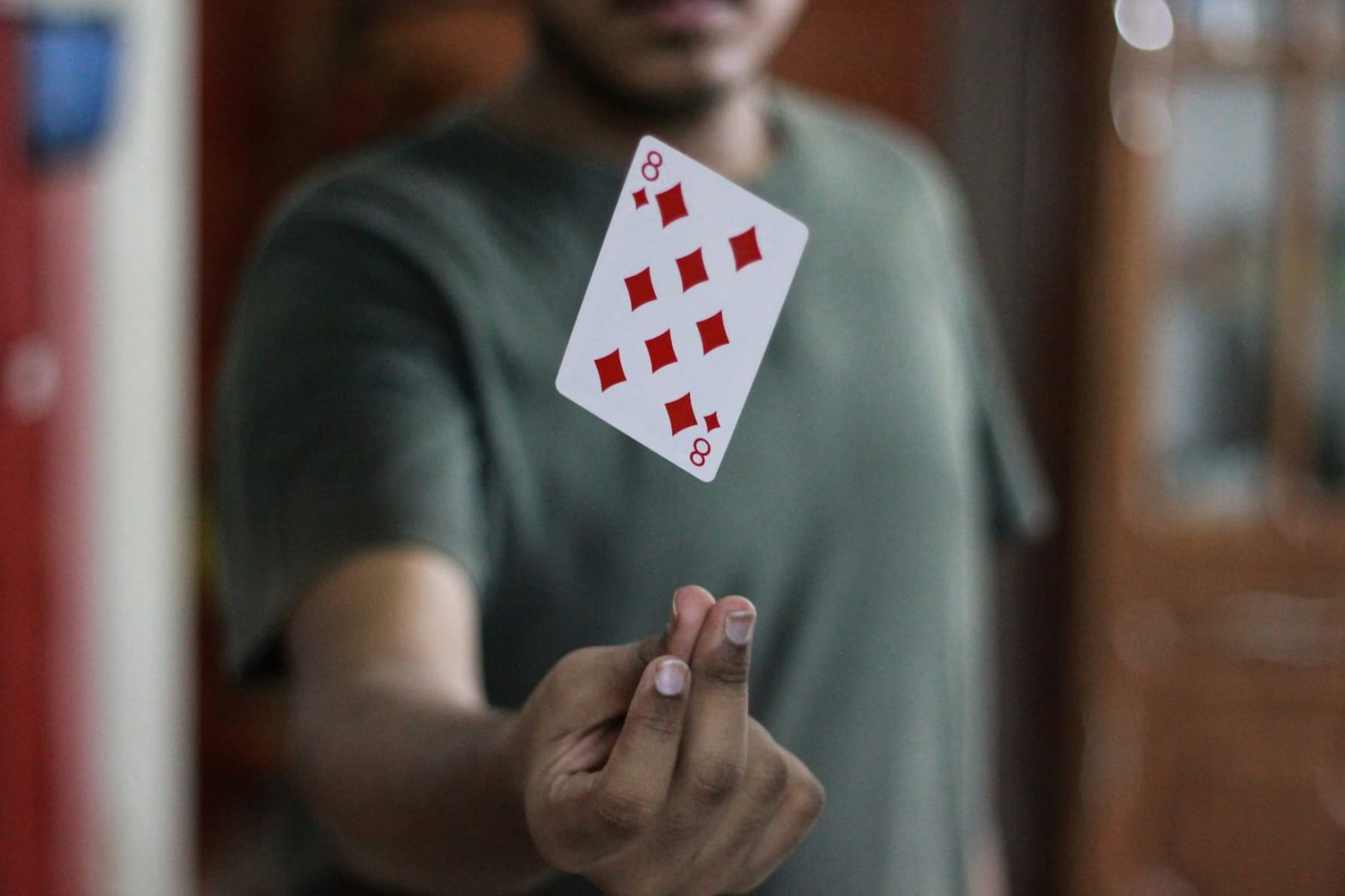
Hands are a key way dealers talk without words. A tap or the way a card is held can mean “help needed” or “all good.” Dealers practice these moves until they feel natural. New dealers can take months to learn them.
The Role of Posture
Body language is more than hands and eyes. How a dealer stands or moves shows confidence, alertness, or caution. Leaning might mean a big player is at the table. Standing stiff can show tension. These movements are like a hidden dance.
Quick Exchanges Across the Floor
Dealers often need to communicate across tables. They use small, quiet movements that only staff notice. A nod or finger flick can tell a manager something is wrong. These signals keep the casino safe and running smoothly without players seeing.
Tone and Timing Matter
Small changes in a dealer’s voice can send messages. A different tone or faster shuffle can tell staff something. The signals must be fast and hard for players to notice. Mistiming can cause confusion or mistakes.
Learning the Language
New dealers spend weeks observing and mimicking experienced staff. They learn which gestures are standard, which are for emergencies, and which are for high rollers. Training also includes spotting signs from other team members. The secret language is learned as much by watching as by doing.
Psychology Behind the Signals
Why do dealers need this silent language? Casinos are stressful places. One mistake can lose a lot of money. Dealers use silent signals to act fast without players noticing. This keeps the game fair and stops cheating.
Signals and Player Behavior
Players are often unaware of dealer signals, but some cues can influence them indirectly. Confident gestures can reassure players. Dealers use small signals to help players be careful. They quietly guide how fast the game goes and how players act.
Emergency Signals
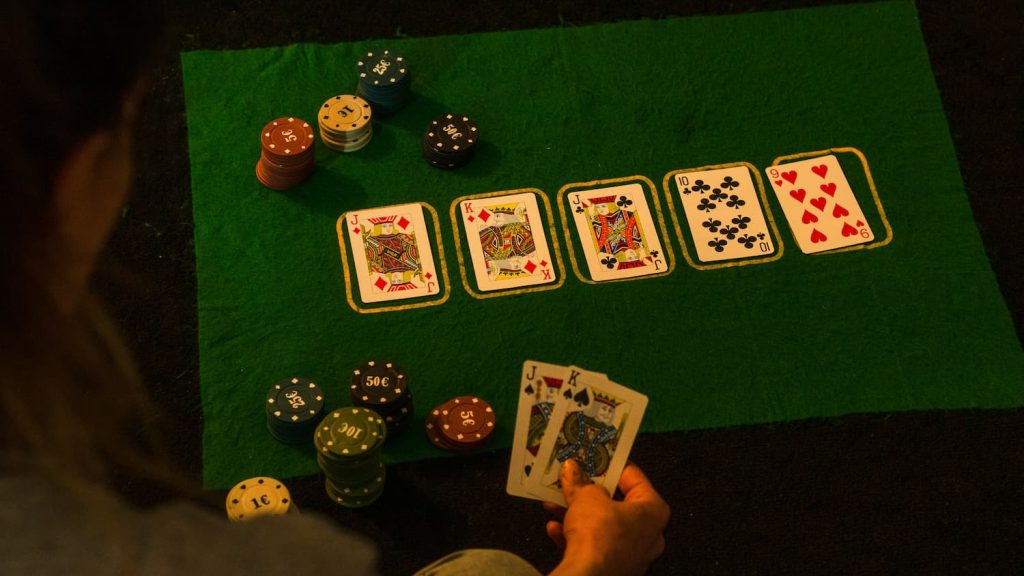
In urgent cases, a dealer can use a small hand signal to alert security if a player cheats or causes trouble. Other staff understand instantly and act without alarming other guests. These codes are essential for safety and efficiency.
The Art of Discretion
Casinos thrive on the appearance of openness and fairness. Dealer signals must be invisible to players. This requires precision and restraint. Too obvious, and it breaks trust. If it’s too quiet, others might not understand. Learning this balance is very important for a dealer.
Culture and Variation
Casinos have their own ways of sending signals. Some use hands, some use body posture or eye contact. Local culture also changes the signs. The main goal is always the same: to communicate clearly without bothering the game.
Technology and the Human Touch
Even with cameras and digital monitors, human signals are still important. Technology can spot problems, but only trained dealers can read small behaviors in real time. Their gestures help the system work faster and smarter.
The Hidden Dance of the Floor
When dealers and staff work together quietly, the casino runs smoothly. Players see fast games, but behind the scenes, everyone moves in a careful pattern. Every look, nod, or gesture helps keep the game fair and safe.
Why It Matters
Understanding dealer signals is more than curiosity. It reveals the skill and precision behind casino operations. Dealers do more than shuffle cards. They use secret signals to keep the game fair, players safe, and the casino running smoothly.